
 By Alan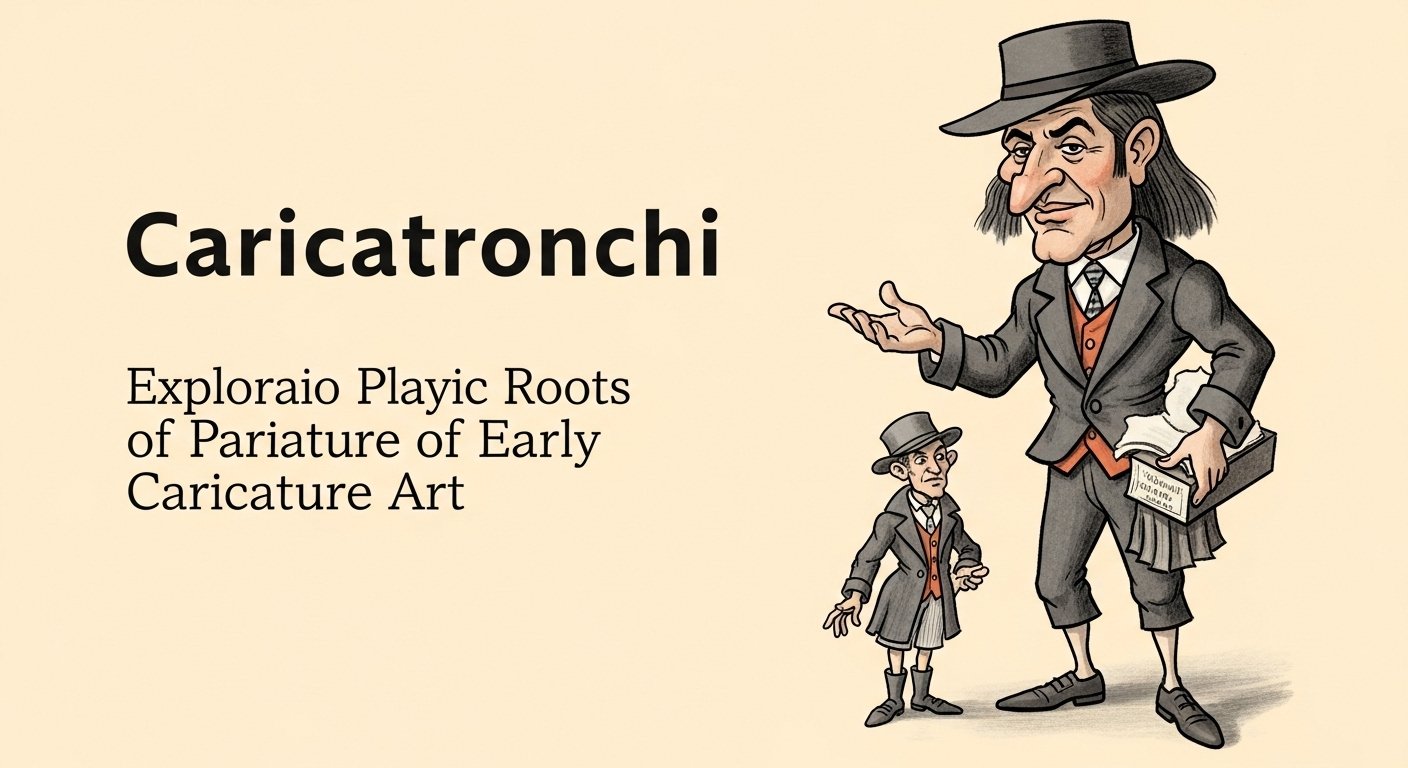
Caricatronchi brings to mind a world where humor and artistry intertwine, giving birth to the playful yet profound realm of caricature art. This whimsical form of expression has roots that stretch back through history, capturing not just likenesses but personalities and emotions in delightful exaggerations. Imagine strolling through vibrant festivals filled with laughter, as artists deftly sketch the quirks and idiosyncrasies of their subjects. Caricature art invites us into a universe where satire shines bright, revealing truths wrapped in joviality.
As we embark on this exploration of caricatronchi, we will uncover its fascinating origins and evolution throughout the ages. From ancient civilizations to modern digital platforms, this art form has continually adapted while retaining its core essence: to entertain and provoke thought. Join me on this artistic journey as we delve deeper into the playful roots of early caricature art!
Origins of Caricature Art: From Ancient Times to the Renaissance
Caricature art has roots that stretch deep into ancient history. The earliest forms emerged in Egypt, where artists exaggerated features on tomb murals and papyri to convey personality and status. These depictions were not mere entertainment; they held cultural significance.
As we move through time, the Greeks carried this tradition forward. They created satirical pieces of public figures, showcasing their flaws with humor and wit. This laid a foundation for how caricature would evolve.
The Renaissance was a pivotal period for this art form. Artists like Leonardo da Vinci pushed boundaries by incorporating playful exaggeration into portraits. With newfound techniques and perspectives, caricature began to flourish as both an artistic expression and social commentary.
It was during this era that the playful spirit of caricature truly blossomed, paving the way for its role in political satire later on.
The Playful Roots of Caricature Art in Italian Renaissance Festivals
During the Italian Renaissance, festivals transformed cities into vibrant canvases of creativity. Caricature art blossomed in this lively atmosphere, capturing the spirit of celebration and jest.
Artists took to the streets, sketching exaggerated portraits of townsfolk and nobility alike. Their playful depictions showcased not only physical traits but also personality quirks. This humor offered a refreshing critique of societal norms.
Commedia dell’arte performers frequently incorporated caricature into their acts. Through masks and improvisation, they highlighted human folly with sharp wit and whimsical exaggerations. Audiences laughed while reflecting on deeper truths about themselves.
Such playful artistry was more than mere entertainment; it fostered community dialogue and connection among diverse social classes. Each stroke carried layers of meaning wrapped in laughter, inviting everyone to participate in a shared cultural experience that resonated across class boundaries.
Development and Evolution of Caricature Art in Europe
Caricature art flourished in Europe during the 18th and 19th centuries, evolving from playful sketches to potent political tools. Artists began to explore exaggerated features and comical portrayals, capturing societal nuances with a sharp wit.
The invention of lithography made it easier for caricaturists to mass-produce their work. This breakthrough allowed satirical images to reach a wider audience. The streets buzzed with laughter as people connected through these visual critiques.
As the Enlightenment took hold, caricatures played an essential role in sparking conversations about power dynamics and social issues. Figures like Honoré Daumier became famous for his biting commentary on politics and society, drawing attention to injustice through humor.
In Britain, artists such as James Gillray pushed boundaries further. Their depictions often mocked politicians and royalty alike, blending artistry with satire seamlessly. Caricature transformed into a vital medium that not only entertained but also informed public opinion across Europe.
The Rise of Political Satire in Caricature Art
Political satire transformed caricature art into a powerful medium. Artists began to wield their pencils like weapons, skewering politicians and public figures with sharp wit and exaggerated features.
This rise was particularly pronounced during times of social unrest. The French Revolution saw artists capturing the tumultuous spirit through biting representations of leaders and nobles alike. Their work resonated with common people, providing both humor and critique.
In England, political cartoons flourished in newspapers. Figures like James Gillray became household names as they tackled issues from war to government corruption. Each stroke reflected societal tensions while evoking laughter.
Today’s caricaturists continue this legacy, using social media platforms to reach broader audiences instantly. The blend of artistry and commentary remains relevant—capturing the essence of contemporary politics with every drawing shared online.
Famous Caricaturists and their Impact on the Genre
Throughout history, several caricaturists have made significant contributions to the genre. One of the most famous is Honoré Daumier, whose work in 19th-century France combined humor with sharp social commentary. His ability to capture the essence of society’s elite while exposing their follies was revolutionary.
Another notable figure is George Cruikshank, known for his illustrations during Britain’s Regency era. His satirical depictions often tackled political issues and societal norms with a biting wit that resonated widely.
In more recent times, artists like David Levine brought caricature into modern print media. His portraits of public figures were not only humorous but also challenged viewers to think critically about power dynamics.
Each artist has left an indelible mark on caricature art, pushing boundaries and inviting audiences to see familiar faces in a new light. Their legacies continue to inspire contemporary creators today.
Modern-day Caricature Art: Digitalization and Social Media
The landscape of caricature art has transformed dramatically in recent years. Digital tools have opened up endless possibilities for artists, allowing for bold colors and innovative techniques that were previously unimaginable.
Social media plays a pivotal role in this evolution. Platforms like Instagram and Twitter serve as galleries where artists showcase their work to a global audience. Instant feedback from followers can inspire new styles or themes, fostering creativity.
Moreover, the viral nature of digital content means that a single caricature can garner thousands of shares overnight. This rapid spread not only increases visibility but also elevates the status of caricaturists within popular culture.
Emerging artists now find it easier than ever to establish their unique voice. The community is vibrant and encourages collaboration among creators worldwide, pushing the boundaries of what caricature art can achieve today.
Conclusion:
Caricatronchi offers a fascinating glimpse into the playful essence of early caricature art. As we traced its origins from ancient times through the vibrant festivals of the Italian Renaissance, it became clear that humor and artistry are intertwined. The evolution of this genre across Europe demonstrated how caricaturists adapted to cultural shifts, bringing political satire to life in ways that resonated with audiences.
The influence of famous caricaturists shaped not only their contemporaries but also future generations. Their distinctive styles captured society’s quirks and flaws, making them both entertaining and insightful. Today, as digital platforms thrive, modern-day artists are redefining what caricature means in our fast-paced world. Social media allows for instant sharing and creativity while keeping alive the spirit established centuries ago.
The journey through Caricatronchi reminds us that at its core, caricature is about playfulness—a celebration of human expression through exaggeration and wit. This rich history continues to inspire both artists and audiences alike as they engage with an art form that remains relevant today.