
 By Alan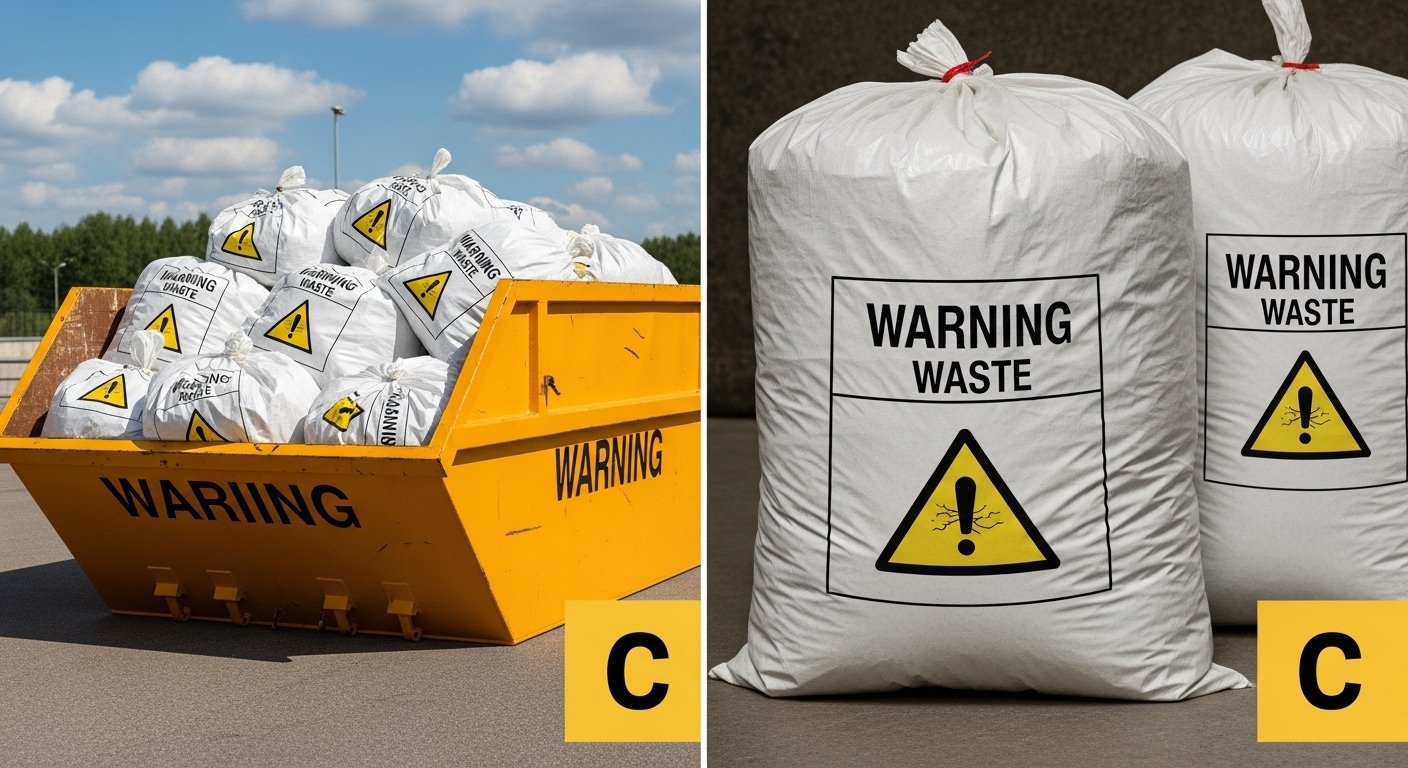
Asbestlint, a term that may not ring alarm bells for everyone, holds significant importance in the realm of health and safety. This seemingly innocuous material has been widely used in construction and other industries for its fire-resistant properties. However, lurking beneath its beneficial façade are serious risks associated with exposure. Understanding asbestlint is crucial—not just for those working around it, but also for anyone living or spending time in older buildings where it might be present.
In this blog post, we will delve into the potential dangers posed by asbestlint, explore its health impacts, and cover essential safe handling practices to mitigate risks. Whether you’re a homeowner considering renovations or an employee dealing with building materials daily, gaining knowledge about asbestlint can empower you to take proactive steps toward safeguarding your well-being. Let’s unravel the complexities surrounding this hazardous material together!
Understanding the Risks of Exposure
Asbestlint, commonly known as asbestos tape, poses significant risks to health when disturbed. Its fibers can easily become airborne and inhaled, leading to serious conditions.
Exposure often occurs in older buildings where asbestlint was used for insulation or sealing purposes. Home renovations or maintenance work can inadvertently release these harmful fibers into the air.
The risk is heightened by the fact that many people do not even realize they are handling materials containing asbestlint. This lack of awareness contributes to potential long-term exposure in both residential and commercial settings.
Understanding the environment you’re working in is crucial. If there’s a possibility of coming across this material, taking precautions should be your top priority. Awareness and education are key components in mitigating risks associated with asbestlint exposure.
Health Impacts of Asbestlint
Exposure to asbestlint can have serious health consequences. This material contains tiny fibers that, when inhaled, can become trapped in the lungs. Over time, these fibers lead to significant respiratory issues.
Asbestos-related diseases include asbestosis, a chronic lung condition causing difficulty breathing and chest pain. More alarmingly, exposure increases the risk of developing lung cancer and mesothelioma—a rare but aggressive cancer affecting the lining of the lungs or abdomen.
Symptoms may not appear until years after exposure. Individuals might experience persistent coughs or fatigue that worsens over time. Early detection is often challenging due to this long latency period.
It’s essential for those who suspect they’ve been exposed to seek medical advice promptly. Regular check-ups allow healthcare providers to monitor any changes in lung function effectively. Prevention remains key; understanding risks associated with asbestlint is vital for safeguarding health today and in the future.
Safe Handling Practices for Asbestlint
When dealing with asbestlint, safety is paramount. Always approach any potential exposure with caution. Wear appropriate personal protective equipment (PPE), including respirators, gloves, and disposable coveralls. This ensures that you minimize direct contact.
Before starting work, seal off the area to prevent contamination of other spaces. Use plastic sheeting or tape to create barriers. Proper ventilation reduces airborne particles and helps maintain a safer environment.
It’s crucial to keep tools and materials damp while handling asbestlint. This prevents fibers from becoming airborne during cutting or removal processes.
Train all workers in safe handling techniques specific to asbestlint. Knowledge empowers teams to identify risks early on and take necessary precautions effectively.
Dispose of any waste according to local regulations, ensuring it is securely wrapped and labeled before transport to designated disposal sites for hazardous materials.
Importance of Proper Removal and Disposal
Proper removal and disposal of asbestlint is crucial for safety. This material poses significant health risks, making its handling a serious concern.
When disturbed, asbestlint can release harmful fibers into the air. These tiny particles are easily inhaled, leading to severe respiratory issues over time.
Specialized training and equipment are essential for anyone involved in its removal. Professionals know how to minimize exposure risk effectively during the process.
Disposing of asbestlint requires adherence to strict regulations. Improper disposal not only endangers public health but also violates laws designed to protect communities.
Using designated facilities ensures that this hazardous material is contained safely. It prevents contamination of landfills and water sources, protecting both the environment and human health.
The responsibility lies with those who manage asbestos materials to follow these guidelines diligently.
Regulations and Laws Regarding Asbestlint
Regulations surrounding asbestlint are stringent due to its hazardous nature. Governments worldwide have implemented rules to safeguard public health and the environment.
In many countries, specific guidelines dictate how asbestlint should be handled, removed, and disposed of. These regulations often require licensed professionals for any work involving asbestos materials.
Employers must provide training for workers who may come into contact with asbestlint. Safety measures include personal protective equipment (PPE) and strict protocols during demolition or renovation projects.
Failure to adhere to these laws can result in heavy fines and legal consequences. Regulatory bodies frequently conduct inspections to ensure compliance within various industries.
Public awareness campaigns also play a crucial role in educating communities about the dangers associated with asbestlint exposure. Understanding these regulations helps protect individuals from potential health risks linked to asbestos fibers.
Protecting Yourself and Others from Asbestlint Exposure
Being aware of asbestlint and its associated risks is crucial for everyone. By understanding the dangers it poses, we can take proactive steps to protect ourselves and our loved ones.
Safe handling practices are vital when dealing with materials that may contain asbestlint. Always wear appropriate personal protective equipment (PPE) such as masks and gloves when working in potentially hazardous environments. Ensuring proper ventilation and minimizing dust can significantly reduce exposure risks.
Proper removal and disposal of asbestlint should be conducted by trained professionals who understand the regulations surrounding asbestos management. Following local laws not only protects individual health but also contributes to community safety.
Staying informed about the legal aspects concerning asbestlint helps ensure compliance and safeguards against potential fines or penalties. It’s essential to remain vigilant regarding updates on regulations related to asbestos materials.
By taking these steps seriously, you contribute not just to your own safety but also create a healthier environment for those around you. Awareness leads to action, which ultimately fosters a culture of prevention against the threats posed by asbestlint exposure.