
 By Alan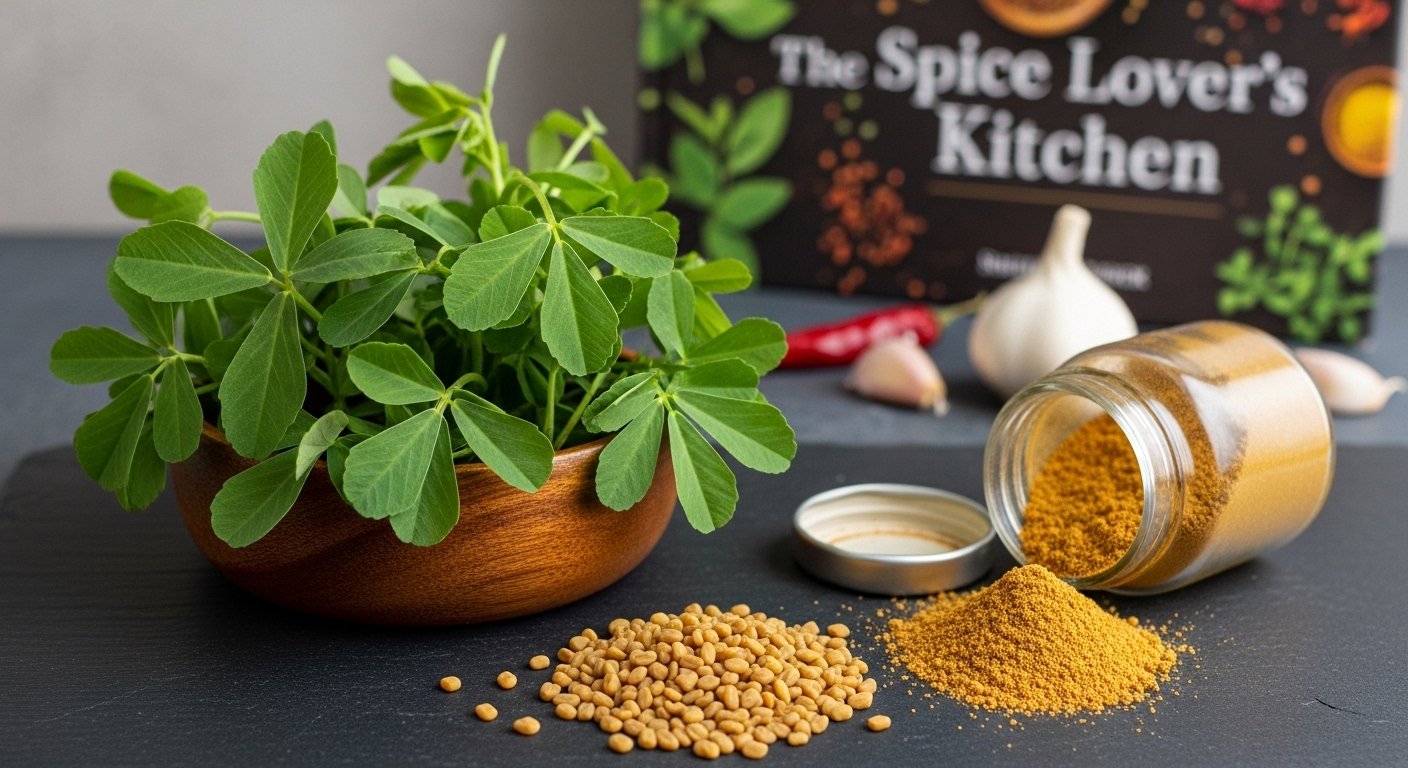
Foenegriek, also known as fenugreek, is more than just a culinary herb. It’s a powerhouse of flavor and nutrition that has been cherished across cultures for centuries. With its distinct aroma and slightly bitter taste, foenegriek can elevate dishes while providing remarkable health benefits. Whether you’re sprinkling seeds on your favorite meals or sipping herbal teas brimming with its essence, this versatile herb deserves a spotlight in your kitchen. Let’s dive into the fascinating world of foenegriek—exploring its rich history, incredible health perks, delicious culinary applications, and tips for growing it yourself!
The History and Origin of Foenegriek
Foenegriek, also known as fenugreek, has roots that trace back thousands of years. This herb is native to the Mediterranean region and parts of Asia. Ancient Egyptians prized it not only for its culinary applications but also for its medicinal properties.
Historically, foenegriek seeds have been found in tombs dating back to 3000 BC. The herb was used in traditional medicine across cultures, from Ayurveda in India to ancient Greek practices.
Its journey through history reveals how versatile and valuable this plant has been over time. As trade routes expanded, so did the popularity of foenegriek, making it a staple in various cuisines around the world.
Today, it continues to be celebrated both as a flavorful spice and a natural remedy. Its rich legacy reflects centuries of human appreciation for healthful herbs.
Health Benefits of Foenegriek
Foenegriek, also known as fenugreek, is more than just a flavorful herb. Its health benefits are gaining popularity among wellness enthusiasts around the globe.
One of its standout features is its ability to improve digestion. Foenegriek seeds contain soluble fiber that aids in breaking down food and alleviating digestive discomfort.
Moreover, this herb plays a crucial role in regulating blood sugar levels. Studies suggest that foenegriek may enhance insulin sensitivity, making it beneficial for those managing diabetes.
The immune system can also reap rewards from incorporating foenegriek into your diet. Packed with antioxidants and anti-inflammatory properties, it helps protect against common illnesses.
Adding this versatile herb to your meals not only boosts flavor but significantly enhances overall well-being too.
A. Improves Digestion
Foenegriek, often known for its rich flavor, offers remarkable benefits for digestive health. This herb contains soluble fiber that aids in the smooth functioning of the gastrointestinal tract.
When consumed, foenegriek seeds can help alleviate issues like bloating and constipation. They work by promoting regular bowel movements and enhancing gut flora balance.
The anti-inflammatory properties found in foenegriek may also soothe an irritated stomach lining. Many people find relief from indigestion after including this potent herb in their meals.
Additionally, its ability to stimulate appetite makes it a great choice for those struggling with eating disorders or recovering from illness. Incorporating foenegriek into your diet not only adds depth to your dishes but significantly supports digestion as well.
B. Regulates Blood Sugar Levels
Foenegriek has gained attention for its potential to regulate blood sugar levels. This herb contains soluble fiber, which slows down the absorption of sugar in the bloodstream. As a result, it can help maintain stable glucose levels.
Studies suggest that foenegriek may improve insulin sensitivity as well. Enhanced insulin response means your body can manage sugars more effectively. For those looking to balance their blood sugar naturally, incorporating foenegriek could be beneficial.
Additionally, certain compounds found in foenegriek seeds contribute to this effect by mimicking insulin’s actions. They assist cells in absorbing glucose from the bloodstream.
Incorporating this herb into meals not only adds flavor but also promotes better metabolic health. Whether sprinkled on dishes or brewed as tea, it offers a delicious way to support balanced blood sugar levels every day.
C. Boosts Immune System
Foenegriek is not just a flavorful herb; it’s also a powerful ally for your immune system. Packed with essential nutrients and antioxidants, it helps combat free radicals in the body.
The high vitamin C content found in foenegriek plays a vital role in strengthening immunity. This antioxidant supports the production of white blood cells, crucial for fighting infections.
Additionally, foenegriek’s anti-inflammatory properties can help reduce inflammation throughout the body. Chronic inflammation often weakens immune responses, making it harder to fend off illnesses.
Incorporating this herb into your diet may offer protective benefits against common colds and flu symptoms. By adding foenegriek to your meals or teas, you’re not only enhancing flavor but also fortifying your defenses against seasonal ailments.
Culinary Uses of Foenegriek
Foenegriek, also known as fenugreek, is a versatile herb that adds a unique flavor to various dishes. Its slightly bitter and nutty taste enhances both savory and sweet recipes.
In Indian cuisine, foenegriek is often used in curries, lentil dishes, and pickles. The seeds are roasted to release their aroma before being ground into spice blends like garam masala.
In Middle Eastern cooking, you might find it in bread or sprinkled over salads for an added crunch. It pairs beautifully with honey or yogurt in desserts.
For those looking to experiment at home, try adding fresh foenegriek leaves to omelets or stir-fries. Even the dried seeds can be tossed into smoothies for a nutritional boost without overpowering the drink’s flavor.
How to Incorporate Foenegriek into Your Diet
Incorporating foenegriek into your diet is both simple and rewarding. Start with the seeds; they pack a punch in flavor and nutrition. Toast them lightly to enhance their aroma before adding to dishes.
Sprinkle ground foenegriek onto curries, stews, or soups for an earthy touch. It pairs beautifully with lentils and legumes, boosting protein content while enriching the taste.
For a refreshing twist, mix it into smoothies or yogurt. Just a teaspoon can elevate these snacks without overwhelming other flavors.
If you love baking, consider adding foenegriek powder to bread or muffins for added depth. Its unique flavor complements whole grains wonderfully.
Another effortless way is through herbal tea. Steep crushed seeds in hot water for a soothing drink that offers various health benefits as well.
Growing and Harvesting Foenegriek
Growing foenegriek, or fenugreek, is a rewarding endeavor for any herb enthusiast. This hardy plant thrives in well-drained soil and prefers a sunny spot to grow its vibrant green leaves.
Start by sowing the seeds directly into the garden bed or containers during spring. Space them about 12 inches apart to allow ample room for growth. Regular watering is essential, but be careful not to overdo it; foenegriek appreciates moisture without being waterlogged.
As the plants mature, they will produce small white flowers that eventually give way to seed pods. Harvest time typically comes when these pods turn brown and dry out. Gently collect them before they burst open to ensure you capture all of your bounty.
With proper care and attention, you’ll enjoy fresh foenegriek right from your garden—perfect for enhancing both health and culinary delights!
Conclusion
Foenegriek, often overlooked in the culinary world, is a powerhouse of flavor and health benefits. Its rich history traces back to ancient civilizations where it was cherished not only for its taste but also for its medicinal properties. This herb stands out with its ability to improve digestion, regulate blood sugar levels, and boost the immune system.
Incorporating foenegriek into your diet can be done seamlessly through various culinary applications. Whether you sprinkle seeds into your dishes or brew them as a tea, you’ll find that this versatile herb adds an intriguing depth of flavor.
For those interested in growing their own foenegriek, it’s relatively easy to cultivate both indoors and outdoors. A little care during harvesting ensures that you can enjoy fresh herbs year-round.
Embracing foenegriek means embracing a holistic approach to wellness and flavor. By adding this unique herb to your meals and exploring its myriad benefits, you’re setting yourself on a path toward better health while tantalizing your taste buds. Don’t miss out on what foenegriek has to offer; dive into this flavorful journey today!