
 By Alan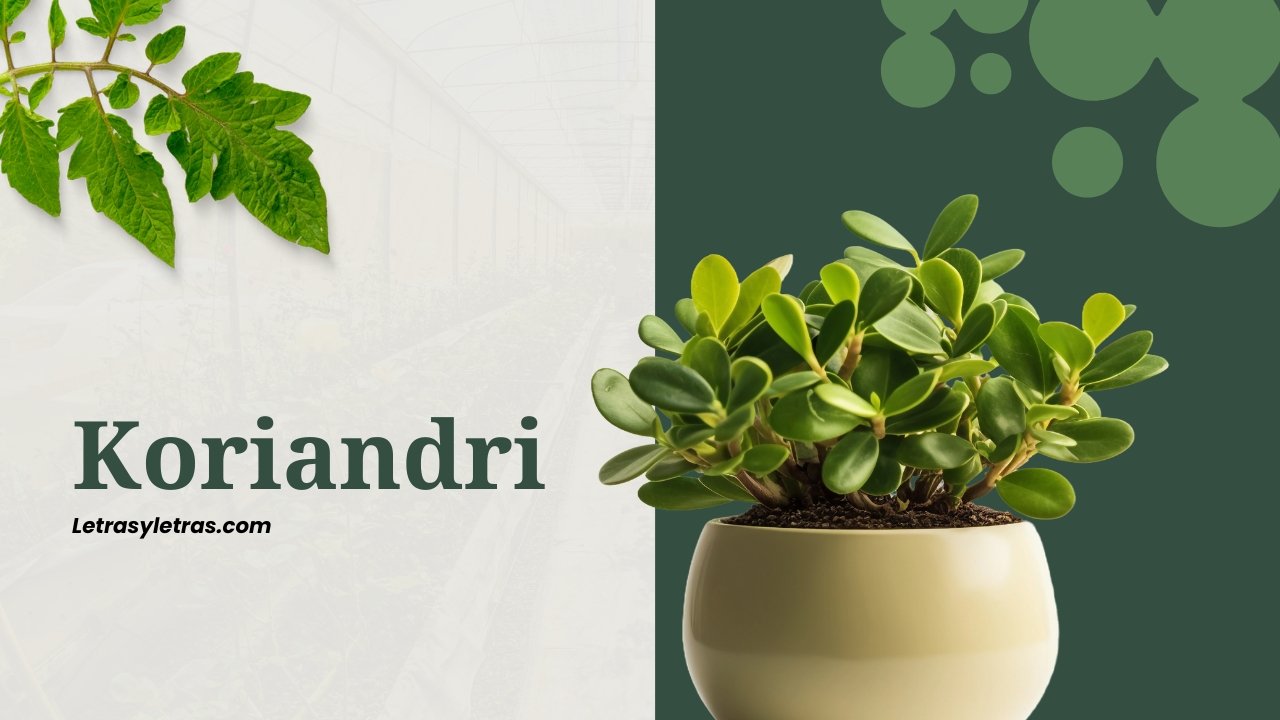
Coriander, scientifically known as Coriandrum sativum and commonly referred to as koriandri, is a versatile herb that has been cherished for centuries in various culinary and medicinal traditions. Its distinct flavor and numerous health benefits have made it a staple in kitchens around the world. However, in this comprehensive guide, we’ll delve into everything you need to know about koriandri, from its nutritional profile and health benefits to how it can enhance your cooking.
What Is Koriandri (Coriander)?
Koriandri, or coriander, is an annual herb from the family Apiaceae, and its name is derived from the Greek word koris, meaning “bug,” due to its peculiar, earthy scent. It’s native to regions of Europe, Asia, and North Africa and is now grown worldwide, especially in tropical and subtropical climates.
The plant has two main parts that are commonly used:
-
Coriander leaves (Cilantro) – These are the fresh, tender leaves that are typically used as an herb in salads, sauces, and garnishes.
-
Coriander seeds – These are the dried, round fruits of the plant and are used as a spice in various cuisines.
Both parts of the plant offer distinct flavors. The leaves, also known as cilantro, have a fresh, citrusy, and slightly peppery taste, while the seeds have a warm, nutty, and slightly spicy flavor.
Nutritional Benefits of Koriandri (Coriander)
Koriandri is not just a flavorful addition to your dishes but also a powerhouse of essential nutrients. Here’s a breakdown of the nutritional content in coriander:
1. Rich in Antioxidants
Coriander is packed with antioxidants like flavonoids and phenolic compounds that help neutralize harmful free radicals in the body. However, this can contribute to reducing inflammation and lowering the risk of chronic diseases.
2. A Good Source of Vitamins
Coriander leaves are an excellent source of vitamins, including:
-
Vitamin C: A crucial vitamin for immune function and skin health.
-
Vitamin K: Important for blood clotting and bone health.
-
Vitamin A: Essential for good vision and skin health.
3. Minerals and Fiber
Coriander seeds contain essential minerals like:
-
Calcium: Important for bone health.
-
Iron: Vital for oxygen transport in the body.
-
Magnesium: Supports muscle function and overall body health.
The seeds also provide dietary fiber, which promotes digestive health and helps maintain healthy blood sugar levels.
4. Low in Calories
Coriander is very low in calories, making it a healthy addition to any meal without adding significant fat or sugar content.
Health Benefits of Koriandri
Koriandri isn’t just about flavor; it offers several health benefits that have been recognized for centuries in traditional medicine. Here’s a look at some of the top benefits:
1. Improves Digestion
Coriander has been used in herbal medicine for its digestive properties. It promotes the production of digestive enzymes and helps ease symptoms of indigestion, bloating, and gas. Coriander seeds, in particular, have been shown to relieve constipation and improve overall digestive function.
2. Supports Heart Health
Coriander is rich in compounds that can support heart health by:
-
Reducing cholesterol levels
-
Lowering blood sugar
-
Supporting blood pressure regulation
The antioxidants in coriander help reduce oxidative stress, which is linked to heart disease.
3. Detoxifies the Body
Coriander is known for its detoxifying properties. It is believed to help flush out heavy metals, such as lead and mercury, from the body. This detoxifying effect can promote overall health and well-being.
4. Anti-Inflammatory and Antibacterial Properties
Coriander has both anti-inflammatory and antibacterial effects, making it an effective natural remedy for reducing inflammation and fighting infections. It can be helpful in treating conditions like arthritis and respiratory infections.
5. Improves Skin Health
The antioxidants and antimicrobial properties of coriander can help improve skin health by reducing acne, inflammation, and signs of aging. The oils in coriander leaves are also used in many skincare products to soothe irritated skin.
Culinary Uses of Koriandri (Coriander)
Coriander is one of the most widely used herbs and spices in the world. Moreover, its leaves and seeds are used in a variety of ways, from enhancing the flavor of dishes to creating flavorful spice blends. Below are some of the most popular culinary uses for koriandri:
1. Fresh Coriander Leaves (Cilantro)
-
As a Garnish: Cilantro is commonly used as a garnish in salads, soups, and curries to add a fresh, citrusy flavor.
-
In Salsas and Sauces: Fresh cilantro is a key ingredient in many salsas, chutneys, and sauces. It pairs especially well with tomatoes, onions, and lime.
-
In Smoothies: Add a handful of cilantro to your smoothie for an added burst of nutrients and flavor.
2. Coriander Seeds
-
Ground Spices: Coriander seeds are commonly ground into a powder and used in spice blends like garam masala, curry powder, and taco seasoning.
-
As a Whole Spice: Whole coriander seeds can be toasted and added to soups, stews, and pickles to release their warm, nutty flavor.
-
In Baking: Ground coriander seeds are also used in baking, especially in recipes for bread, cookies, and cakes that require a slightly sweet and spicy flavor.
3. Infusions and Teas
Coriander seeds can be brewed into an herbal tea that is known for its soothing properties. The tea is often consumed to aid digestion and calm the stomach.
How to Grow Koriandri at Home
Growing koriandri in your own garden or even on your windowsill is a rewarding experience. Here’s how you can grow this herb at home:
1. Planting Coriander
Coriander grows best in cool, sunny spots with well-drained soil. It can be grown from seeds, and it’s recommended to plant the seeds directly in the soil in early spring or fall. In addition, make sure to space the seeds about 6 inches apart to allow room for the plants to grow.
2. Watering and Care
Coriander plants prefer moderate watering. They should be watered regularly but ensure that the soil doesn’t remain soggy. Keep the plants well-fed with organic compost for best growth.
3. Harvesting
You can start harvesting coriander leaves once the plant reaches about 6 inches tall. For coriander seeds, wait until the plant flowers and the seeds turn a brownish color. Simply cut the seed heads off and allow them to dry before harvesting.
Potential Side Effects of Koriandri
While koriandri is generally safe for most people, there are a few precautions to keep in mind:
-
Allergic Reactions: Some individuals may be allergic to coriander, especially if they are sensitive to other plants in the Apiaceae family.
-
Digestive Issues: Although coriander is good for digestion, excessive consumption may lead to stomach upset in sensitive individuals.
-
Interactions with Medications: Coriander may interact with certain medications, such as blood thinners and diabetes medication, so it’s important to consult with a healthcare provider if you’re on any prescription drugs.
Conclusion: Why You Should Add Koriandri to Your Diet
Koriandri, or coriander, is much more than a flavor enhancer in your cooking. With its impressive range of health benefits and versatility in the kitchen, it’s a herb that should not be overlooked. However, from improving digestion and supporting heart health to adding a unique flavor to your favorite dishes, coriander has earned its spot as a globally loved herb.
So, whether you’re using coriander to garnish a fresh salad or to spice up your favorite curry, make sure to incorporate this powerful herb into your diet regularly. If you haven’t yet explored the magic of koriandri, now’s the perfect time to start!