
 By Alan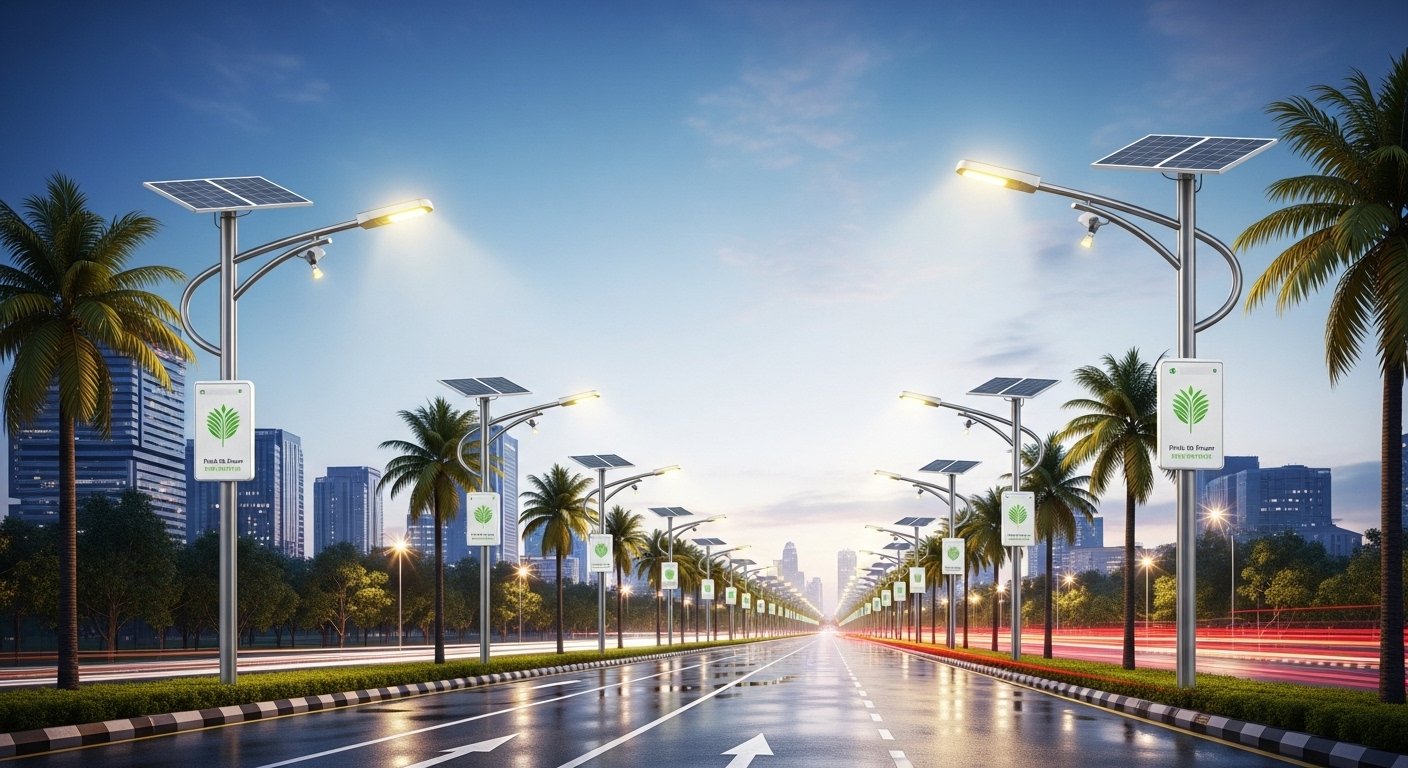
Palm oil has sparked a heated debate in recent years, primarily due to its environmental consequences. Deforestation, loss of biodiversity, and greenhouse gas emissions are just a few of the issues linked to palm oil production. As we strive for sustainability, innovative solutions are emerging that can help mitigate these problems while providing practical benefits. One such innovation is the Self Cleaning Street Lights Palm Oil powered by palm oil.
These lights not only illuminate our streets but also promise to enhance urban living through their unique functions. Imagine walking down a clean and well-lit street without worrying about grime or pollution clinging to fixtures overhead. This captivating idea merges technology with eco-consciousness in an exciting way.
As cities continue exploring sustainable practices, self-cleaning street lights offer much more than meets the eye. They represent a forward-thinking approach toward harnessing renewable resources while addressing pressing environmental concerns associated with palm oil production. Let’s dive deeper into how this groundbreaking technology works and what it means for future urban landscapes.
The emergence of self-cleaning street lights as a sustainable solution
As cities grapple with pollution, the need for innovative solutions grows. Enter self-cleaning street lights—a remarkable answer to urban grime.
These lights not only illuminate streets but also tackle dirt and dust through advanced technology. Using hydrophobic coatings, they repel water and debris, keeping the surfaces clean without manual intervention.
This innovation offers significant advantages in maintenance costs and labor reduction. Fewer resources are required for cleaning operations, allowing city budgets to be allocated elsewhere.
Moreover, self-cleaning street lights often harness renewable energy sources like solar power or palm oil biodiesel. This means they contribute positively to sustainability efforts while reducing reliance on fossil fuels.
Cities worldwide are beginning to see the potential of this dual-purpose infrastructure as a step toward greener urban environments. The blend of functionality and eco-friendliness sets these innovations apart in modern city planning discussions.
How do self-cleaning street lights work?
Self-cleaning street lights utilize innovative technology to maintain their cleanliness and efficiency. These lights are often coated with a hydrophobic layer that repels water, dirt, and pollutants. This means that when it rains, the water rolls off the surface, taking grime along with it.
In addition to this coating, some models incorporate solar panels or other renewable energy sources. This allows them to power not only the light but also any internal mechanisms needed for cleaning.
Advanced sensors can detect when debris accumulates. They trigger a gentle cleaning mechanism, often utilizing high-frequency vibrations or automated brushes.
This multi-faceted approach ensures that self-cleaning street lights remain bright and visible while reducing maintenance costs significantly. By removing reliance on manual cleaning crews, cities can focus resources elsewhere while promoting sustainability.
Benefits of using self-cleaning street lights powered by palm oil
Self-cleaning street lights powered by palm oil offer remarkable benefits for urban environments. One of the most significant advantages is reduced maintenance costs. With a self-cleaning mechanism, cities can save on labor and resources needed to keep traditional lights clean.
These innovative lights also enhance visibility at night. Cleaner surfaces result in brighter illumination, improving safety for pedestrians and drivers alike.
Moreover, utilizing palm oil as an energy source promotes sustainability. This biofuel reduces dependency on fossil fuels while supporting local economies involved in sustainable palm cultivation.
The environmental impact is noteworthy too. By decreasing waste from cleaning chemicals and equipment used in conventional street lighting maintenance, these systems align with eco-friendly practices.
In densely populated areas, the deployment of self-cleaning street lights can lead to cleaner streets overall, creating a more pleasant atmosphere for residents and visitors alike.
Case studies of cities implementing this innovation
Several cities have embraced self-cleaning street lights powered by palm oil, showcasing the innovation’s potential.
In Amsterdam, a pilot project incorporated this technology into their urban landscape. The results showed reduced maintenance costs and improved cleanliness without harmful chemical cleaners. Residents appreciated the clear benefits in both aesthetics and sustainability.
Meanwhile, Singapore took it a step further by integrating smart sensors within their self-cleaning systems. This approach allowed for real-time monitoring of pollution levels, adjusting cleaning cycles accordingly. Such adaptability proved crucial in maintaining air quality in densely populated areas.
Across the ocean, São Paulo launched similar initiatives to combat grime on its bustling streets. By utilizing palm oil as an eco-friendly energy source, they not only cleaned but also illuminated public spaces more sustainably.
These examples illustrate how cities around the globe are paving new paths toward cleaner environments while harnessing innovative technologies like self-cleaning street lights powered by palm oil.
Challenges and limitations of implementing self-cleaning street lights powered by palm oil
Implementing self-cleaning street lights powered by palm oil comes with its share of challenges. One significant hurdle is the sourcing of sustainable palm oil. While it has environmental benefits, not all production practices are eco-friendly. Ensuring ethical sourcing requires stringent regulations and monitoring.
Technical reliability also poses a concern. Self-cleaning mechanisms must function effectively under various weather conditions, from heavy rain to extreme heat. Any malfunction could lead to safety issues in urban areas.
Another limitation lies in the initial costs associated with installation and maintenance. Cities may hesitate to invest without clear evidence of long-term savings or benefits.
Public perception plays a crucial role as well. Educating communities about the advantages and sustainability of these innovations can be challenging but necessary for widespread acceptance and support.
Future potential and expansion of this sustainable innovation
The future of self-cleaning street lights powered by palm oil is bright. As cities strive for sustainability, this innovation could become a staple in urban planning.
With advances in technology, these systems can evolve to integrate smart features. Imagine sensors that adjust brightness based on traffic patterns or weather conditions. This adaptability enhances energy efficiency while reducing costs.
Moreover, the potential for scalability is immense. Developing countries with abundant palm oil resources can adopt this technology to improve infrastructure without sacrificing environmental integrity.
Collaboration between governments and tech companies will be crucial. By pooling resources and expertise, they can accelerate development and deployment across various regions.
Public awareness also plays a vital role in expansion. Educating citizens about the benefits fosters community support and encourages local adoption initiatives.
As more municipalities recognize the advantages of these innovative street lights, their implementation could reshape our urban landscapes toward a greener future.
Conclusion: The role of individuals
The role of individuals in promoting sustainable innovations like self-cleaning street lights powered by palm oil cannot be underestimated. Each person’s actions contribute to broader environmental efforts. By advocating for green technologies and supporting local initiatives, individuals can drive change within their communities.
Awareness is crucial. Sharing information about the benefits of self-cleaning street lights can inspire others to consider eco-friendly solutions in urban planning and infrastructure development. Social media platforms provide a powerful way for citizens to voice support and connect with decision-makers.
Every small action counts—whether it’s attending community meetings or signing petitions that push for greener alternatives, each effort helps create momentum toward sustainability. By embracing and championing innovative ideas like these self-cleaning street lights, we all play a part in shaping a more environmentally friendly future.
When individuals come together with a shared vision of sustainability, they pave the way for meaningful change that positively impacts both society and the planet at large.