
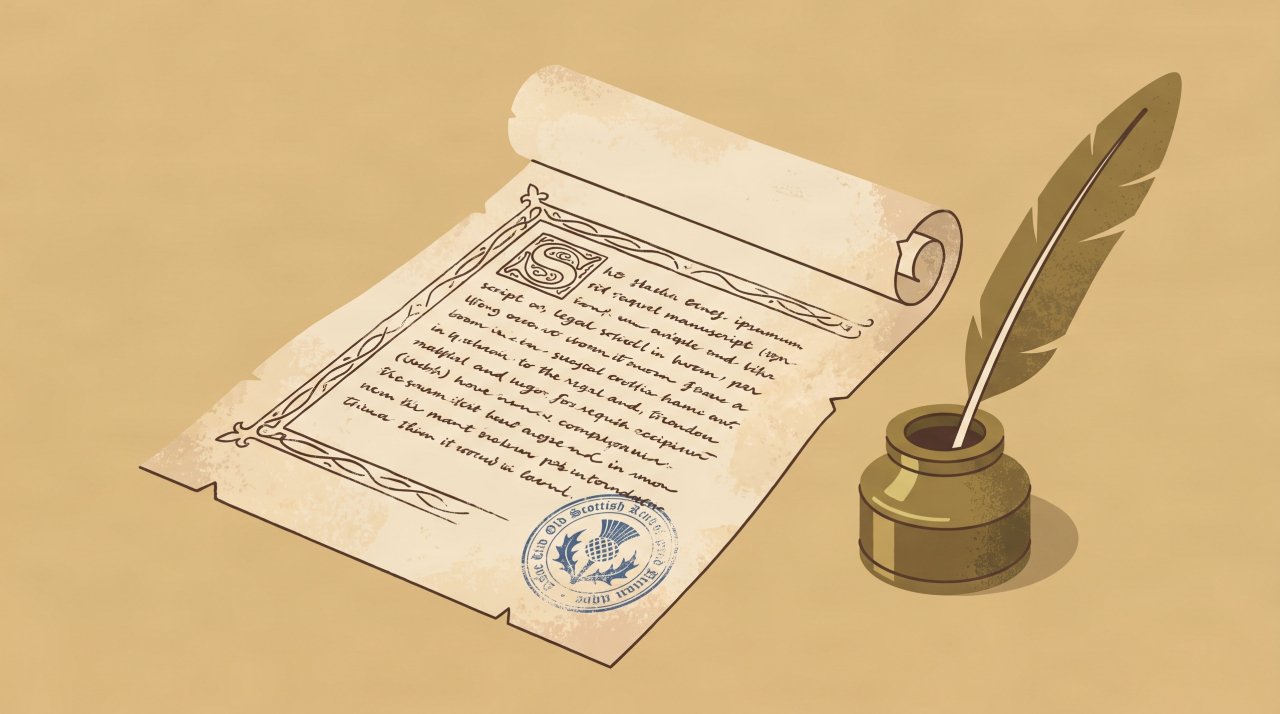
When you hear that a thief was caught red-handed, you picture a suspect caught holding the stolen goods. Today, we use this expression to describe finding someone in the middle of a wrongful act. But what is the origin of the phrase caught red handed, and how did it begin?
The story starts much earlier than most people assume. It does not come from a modern detective tale or a generic fable. Instead, the history goes back to medieval Scotland.
The term was originally a legal concept with a very literal, gruesome meaning. Ancient laws of the land dictated how criminals were prosecuted when caught. This law required physical proof of the deed to be present on the suspect.
We will explore the timeline of this popular idiom to see how it evolved. Analyzing these shifts helps us appreciate the depth of common English idioms. Let’s trace how a literal bloodstain became a common way to describe any caught rule-breaker.
The Timeline of the Phrase
To understand where the phrase comes from, we must look at how it changed over five centuries. The transition from a strict legal rule to a general idiom happened in clear stages.
| Year | Phrase Version | Key Document or Context |
|---|---|---|
| 1432 | Reid hand | Acts of Parliament of James I of Scotland |
| 1678 | Taken redhand | Scottish criminal court proceedings |
| 1819 | Taken redhanded | Sir Walter Scott’s novel Ivanhoe |
| 1857 | Caught red-handed | George Alfred Lawrence’s novel Guy Livingstone |
Step 1: The Scottish Law of 1432
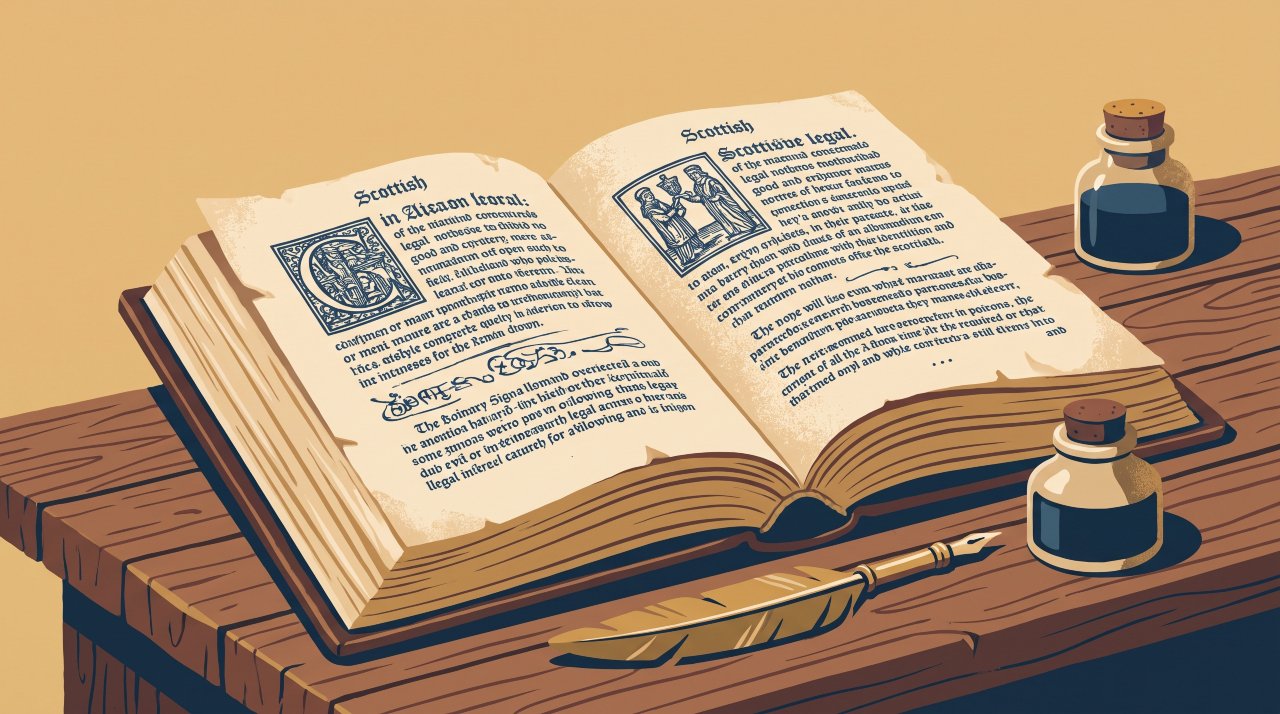
The earliest record of the phrase appears in the Acts of Parliament of James I in 1432. During this period, Scottish law used the term “reid hand” to describe an offender caught in the act.
If a person committed murder or poached livestock, the law required immediate physical proof of their guilt. This proof was often the blood of the victim on the killer’s hands. The local baron had the right to try and execute the criminal quickly if they were taken redhand.
A common myth connects this phrase to the Red Hand of Ulster, an Irish heraldic symbol. People believe the red hand on the coat of arms represents a criminal caught in the act.
However, historical evidence shows this heraldic symbol has no connection to the Scottish legal term. The Online Etymology Dictionary entry confirms this timeline.
Step 2: Popularization by Sir Walter Scott in 1819
During the nineteenth century, the phrase transitioned from Scottish legal texts into popular English literature. Author Sir Walter Scott was famous for reviving old Scottish historical words. He used a transitional spelling in his classic 1819 novel Ivanhoe.

Scott wrote about a character who was “taken redhanded and in the fact” during an altercation. This usage showed that the phrase was beginning to lose its literal connection to blood.
It started to mean being caught in the act of any major crime. You can read about another surprising phrase origin to expand your word knowledge.
Step 3: Standardizing the Modern Idiom in 1857
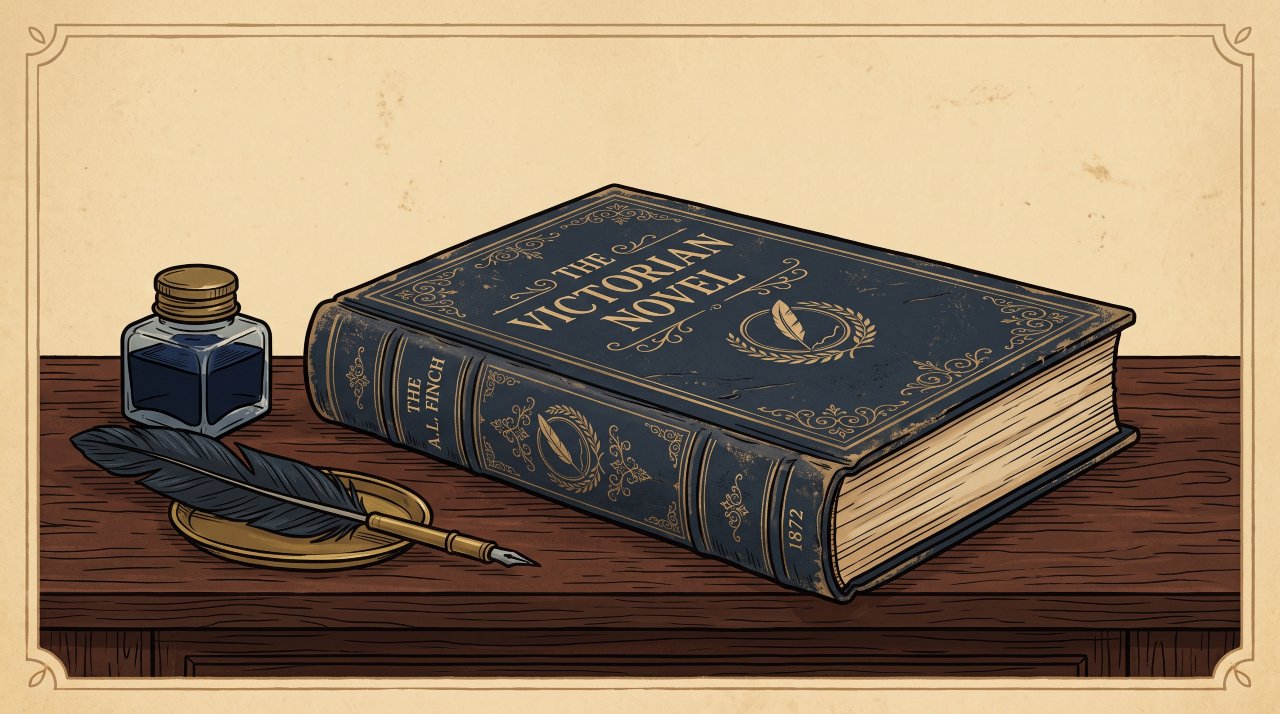
The full, hyphenated idiom we use today first appeared in the novel Guy Livingstone in 1857. Author George Alfred Lawrence wrote the book, which became very popular in Victorian England. He used the phrase to describe characters caught with stolen property.
The novel states that they were caught red-handed when the property was found in their possession. This moment cemented the phrase in English literature as a metaphor for any obvious wrongdoing.
The literal blood on the hands was no longer necessary to justify the expression. You can read the original quote in the Project Gutenberg edition of the novel.
Modern Usage and Common Misconceptions
Today, we use the expression to describe caught wrongdoers in various settings. It applies to children stealing cookies, employees taking office supplies, or politicians committing fraud. The idiom has completely lost its gruesome historical association with physical violence.
A common misunderstanding is that the phrase originates from red dye used in bank security packs. These packs explode to stain thieves, making them easy to identify. While this is a modern way to catch criminals, the phrase is centuries older than bank dye.
According to the Merriam-Webster definition, the idiom is now widely accepted in formal writing. If you want to master other expressions, check out our complete idioms guide for clear explanations.
Here are a few modern idioms that share a similar meaning:
- Caught in the act: Finding someone during a wrongful deed.
- Caught flat-footed: Catching someone unprepared or surprised.
- Caught with your hand in the cookie jar: Catching someone stealing or taking something unauthorized.
Frequently Asked Questions
What is the meaning of caught red handed?
The phrase means to discover someone in the middle of committing a crime or doing something wrong. It indicates that the guilt of the person is obvious because the evidence is in their possession.
Where does red handed come from?
The term comes from medieval Scottish law in the fifteenth century. It referred to murderers or poachers who were caught with literal blood on their hands. Over time, the term became a general metaphor for any wrongdoing.
What is the origin of the phrase caught red handed?
The full phrase was first written in the 1857 novel Guy Livingstone by George Alfred Lawrence. Before this, Sir Walter Scott used the form redhanded in his 1819 novel Ivanhoe. Both authors adapted the term from older Scottish legal codes.
Is caught red-handed an idiom?
Yes, it is a common English idiom. We use it to describe being caught in the act of doing something bad. It is a metaphorical expression because the person does not need to have literal blood on their hands.
Conclusion
The history of this phrase is a testament to how daily language is influenced by history. From the bloody courts of fifteenth-century Scotland to Victorian literature, the term has evolved significantly. Today, it serves as a vivid metaphor for obvious guilt.
Analyzing these shifts helps us appreciate the depth of common English idioms. The words we use each day carry stories that link us directly to the past. Sharing these histories keeps the love for language alive in our modern world.
If you enjoyed discovering this history, please share this article with other language lovers. You can also bookmark Letters and Letters for more fascinating word origins. We post new etymological guides each week to keep your curiosity alive.
