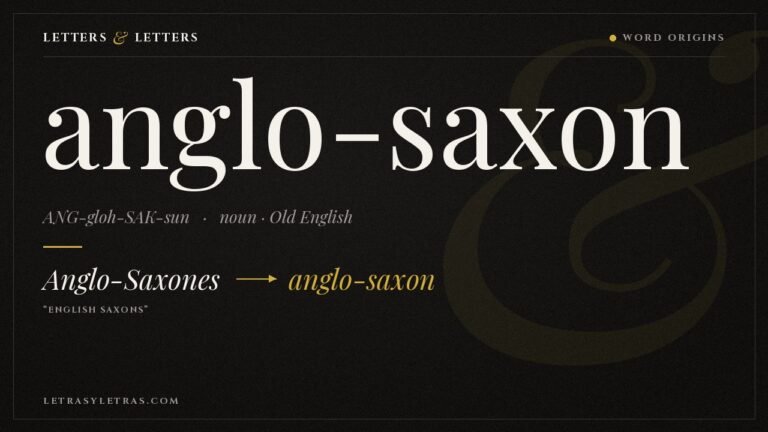
Anglo-Saxon Words: The Old English Core of Modern English
The Old English words at the heart of modern English, why they sound so blunt, and three myths about they, ye and...

Explore the fascinating etymological backstories and linguistic evolution behind everyday words. From classical Latin and ancient Greek roots to Norman French and Old English loanwords, discover how history shaped the modern vocabulary we speak today.
The Old English words at the heart of modern English, why they sound so blunt, and three myths about they, ye and...
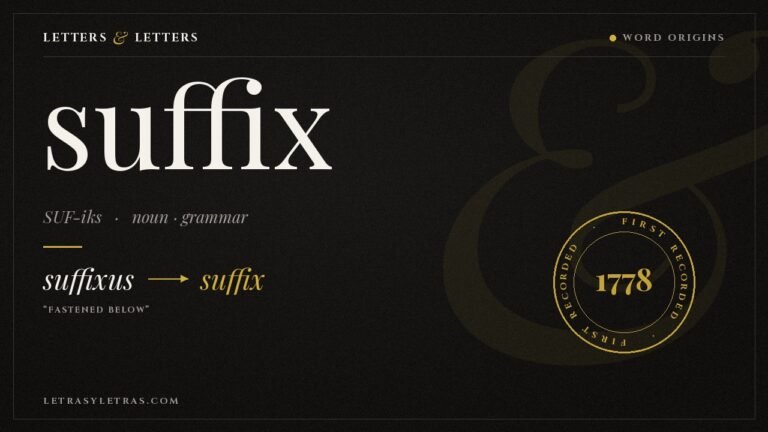
Suffix meaning explained: what a suffix is, why it means fastened below, and how -ly began as an Old English word for...
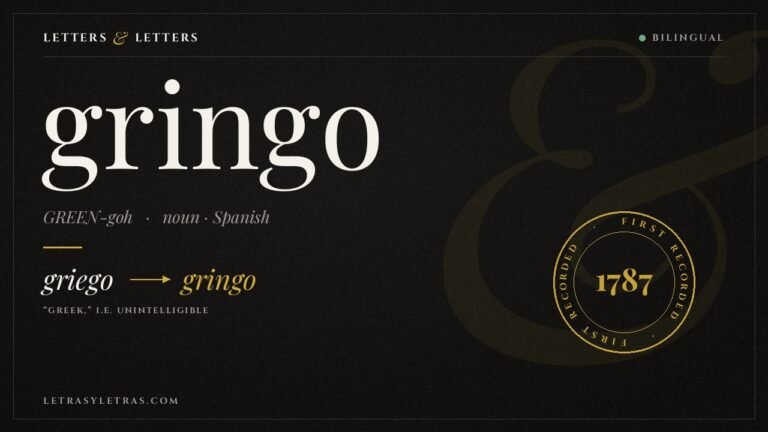
Few slang words in the global lexicon carry as much cultural weight as the term gringo. Travelers hear it in […]

Every December, millions of households exchange festive greetings and decorate evergreen trees. We sing familiar carols and wrap gifts for […]

A piercing acoustic wail cuts through heavy city traffic. Ambulance drivers clear intersections as flashing red lights reflect off towering […]
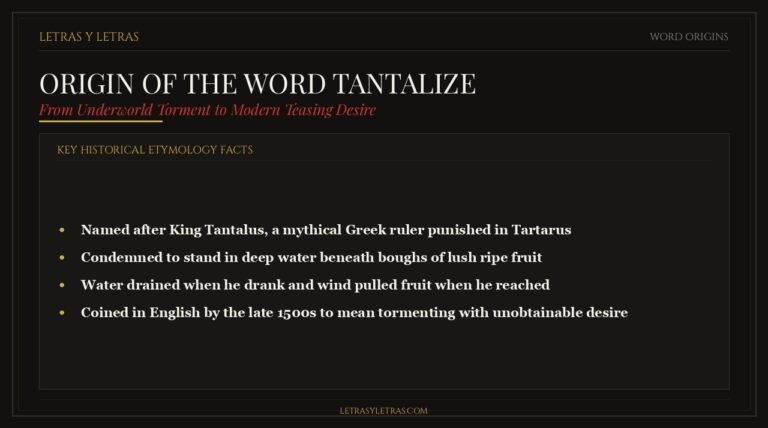
Few feelings irritate the human mind like unobtainable temptation. A savory scent drifts from a locked kitchen. An elusive career […]
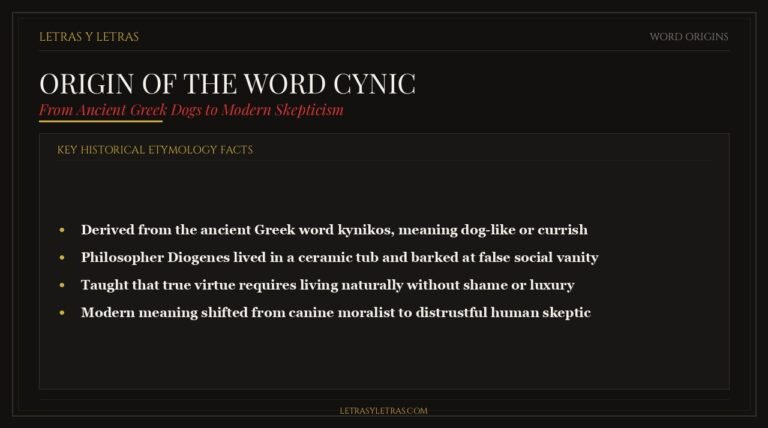
In modern language, we treat the cynic with weary suspicion. We describe people as cynical when they question noble motives. […]
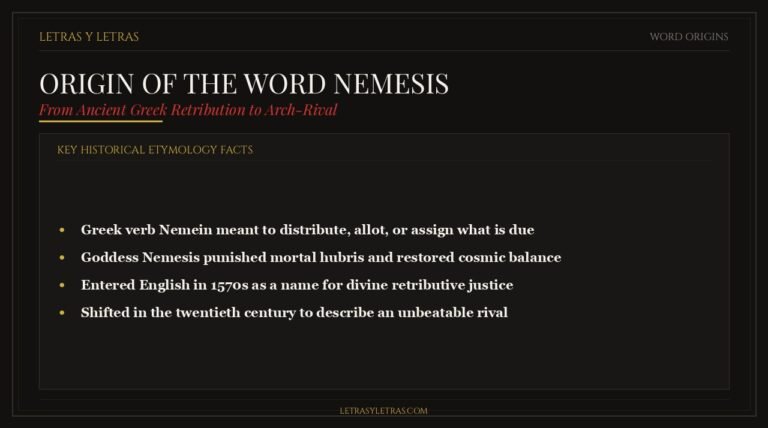
Every memorable hero faces a persistent rival. Batman battles the Joker across the dark rooftops of Gotham. Sherlock Holmes tests […]
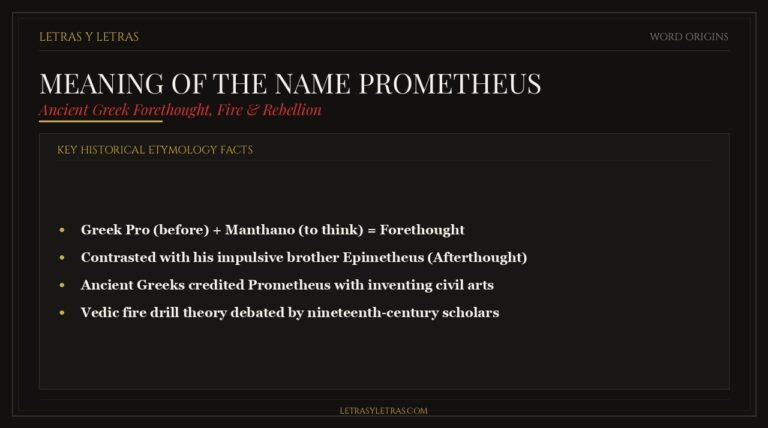
Few figures from Greek antiquity command equal dramatic grandeur as the Titan Prometheus. Poets, philosophers, and sculptors have celebrated his […]
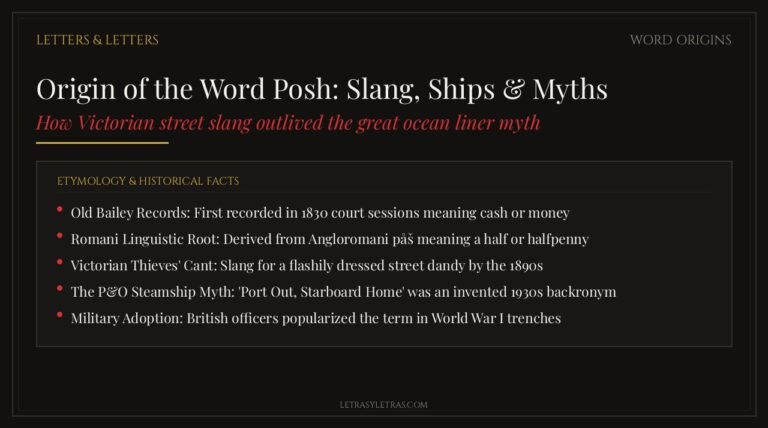
Few words evoke aristocratic privilege and refined British elegance quite like posh. We use it to describe Mayfair townhouses, bespoke […]