

Every time you eat lunch, you speak an 18th-century Earl’s title. The origin of the word sandwich links a card game myth to a Kent harbor town.
Most people believe a single British Earl invented bread and meat during a card game. That popular legend gets key historical details wrong.
The concept of putting food between bread existed long before the 1700s. John Montagu popularized the name, but ancient cooks had already created the meal.
Quick Answer: What is the origin of the word sandwich?
The word sandwich is an eponym named after John Montagu (1718–1792), 4th Earl of Sandwich. Historian Edward Gibbon wrote the first record of the culinary term on November 24, 1762.
Gibbon saw London aristocrats dining on cold meat between bread at the Cocoa Tree club. French writer Pierre-Jean Grosley later claimed Montagu ordered the meal during a 24-hour gambling session.
However, food between bread existed centuries earlier in ancient cultures.
By Alan Sledge | Letters & Letters – About the Author
The Historical Timeline of the Sandwich
Food wrapped in bread did not begin in Georgian England. People across the Mediterranean and Middle East ate portable bread meals for centuries before Montagu was born.
| Era / Date | Historical Event | Historical Significance |
|---|---|---|
| 1st Century BC | Rabbi Hillel’s Passover Bitter Herb Wrap | Earliest documented bread-enclosed meal |
| 12th–15th Century | Medieval European Bread Trenchers | Stale bread slabs used as edible plates |
| Nov 24, 1762 | Edward Gibbon’s Journal Entry | First written use of the word sandwich |
| 1770 | Pierre-Jean Grosley’s Londres | Published the 24-hour gambling story |
| 19th Century | English & American Cookbook Inclusions | Standardized the term across households |
Ancient records show that Rabbi Hillel the Elder paired paschal lamb and bitter herbs between flatbread during Passover. That custom began over seventeen hundred years before the Earl of Sandwich took office.
In medieval Europe, servants served roasted meats atop thick slabs of stale bread called trenchers. Dinners ended with diners eating the gravy-soaked bread or feeding it to hounds.
1. John Montagu and the 1762 Cocoa Tree Club
The word entered written English in late 1762. Historian Edward Gibbon recorded the first written mention of a culinary sandwich in his personal diary.

Gibbon spent an evening at the Cocoa Tree, a fashionable London coffeehouse and club. He saw wealthy parliamentarians dining on simple cold meat between slices of bread while drinking punch.
Read the original 1762 journal in Gibbon’s memoirs for accurate history.
Montagu held high government office as First Lord of the Admiralty. His workload required long hours at his desk, which led him to request meals he could eat with one hand.
2. Gambling Myth Versus Political Reality
The famous gambling story emerged eight years after Gibbon’s entry. French travel writer Pierre-Jean Grosley visited London in 1765 and published his observations in his 1770 book Londres.
Grosley wrote that a British minister spent twenty-four hours at a gaming table without stopping. He claimed the minister asked for salt beef between slices of toasted bread so his hands would stay clean for cards.
Modern historians question Grosley’s colorful narrative. Montagu was an energetic administrator who managed naval affairs during major global wars.
His desk work likely created the need for portable food more than card games. Fellow politicians started ordering the same meal, asking servers for the dish named after Sandwich.
3. Etymology of the Place Name Sandwich
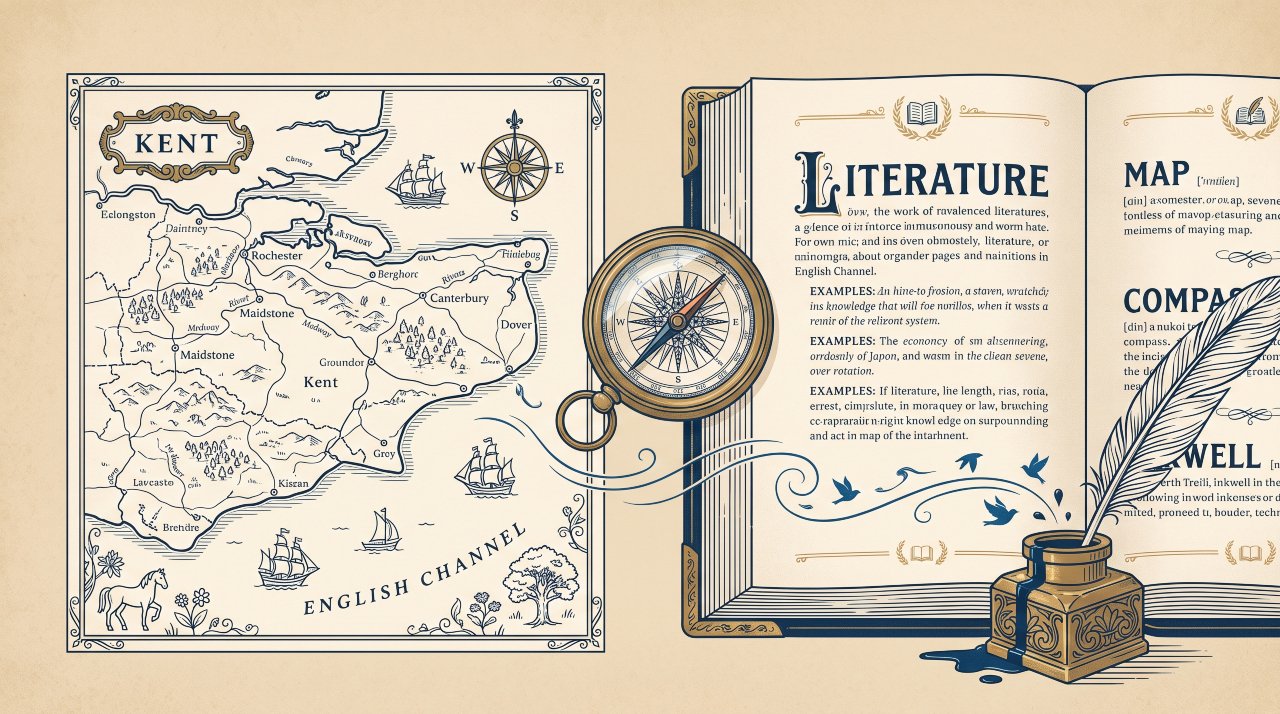
The title held by John Montagu traces to the town of Sandwich in Kent, England. King Charles II granted Edward Montagu the title in 1660 after a naval victory.
Old English linguistic records show the original name was Sandwicæ. The word combines sand with wīc, which meant a harbor, trading center, or dwelling place.
Linguists track this change in the Online Etymology Dictionary from geography to food.
The culinary noun is an eponym. This meal took the title of the Earl, who took his title from a seaside town.
4. Modern Misconceptions and Legal Definitions
Popular culture continues to debate what counts as a sandwich. Food historians separate strict linguistic origins from modern legal standards.
Regulatory agencies use structural definitions for food labeling. The USDA requires at least thirty percent cooked meat and under fifty percent bread.
State tax courts have ruled on whether wraps, burritos and hot dogs belong in this category. A 2006 Massachusetts court ruling determined a burrito is not a sandwich under commercial lease contracts.
Explore phrase shifts in our English idioms guide to see how words evolve.
Etymology tracks how real speakers use words rather than legal contracts. The word evolved from an aristocrat’s quick lunch into a global category of food.
Frequently Asked Questions
Did the Earl of Sandwich invent the sandwich?
No. John Montagu did not invent putting food between bread. Ancient cultures ate flatbread wraps centuries earlier. Montagu popularized the specific name in 18th-century London, which led others to call the meal a sandwich.
When was the word sandwich first written down?
The earliest written record of the word sandwich appears in Edward Gibbon’s diary on November 24, 1762. Gibbon described dining with aristocrats at the Cocoa Tree club in London.
Why was the town called Sandwich?
The town name comes from the Old English word Sandwicæ. The name means sandy harbor or sandy trading settlement. The 1st Earl of Sandwich chose the town for his peerage title in 1660.
Was the Earl of Sandwich really gambling for 24 hours?
French writer Pierre-Jean Grosley published that story in 1770. Historians suspect the tale was exaggerated gossip. Montagu worked long hours as First Lord of the Admiralty, which provided ample reason to eat quick meals at his desk.
Is a hot dog or a burrito legally a sandwich?
Most legal tax courts rule that hot dogs and burritos are distinct items. A 2006 court ruling in Massachusetts declared that a burrito does not meet the traditional definition of a sandwich.
Words That Stand the Test of Time
The origin of the word sandwich shows how language turns ordinary human habits into permanent vocabulary. John Montagu simply wanted a meal that did not interrupt his daily routine.
His practical choice created a word that spread across every major language on Earth. The story blends royal titles, Old English harbor names, and 18th-century London social life.
Explore our Editorial Policy and Etymology Standards to learn how we verify language origins. Bookmark Letters & Letters for fresh historical word stories each week.


Alan Sledge is the writer and founder behind Letters & Letters. A lifelong lover of words, Alan has always been drawn to the small mysteries hidden in everyday language, why we say what we say, where our favorite sayings came from and the quotes that manage to put feelings into words better than we ever could ourselves.