If you hear someone mention the peanut gallery, you likely think of backseat critics or noisy hecklers. Today, we use this expression to describe people who offer unsolicited and unimportant comments. But what is the origin of the phrase peanut gallery, and how did it start?
The history of this term is far more complex than a simple television reference. It does not begin with children laughing at a puppet show. The real story is older and carries a much darker past than many people realize.
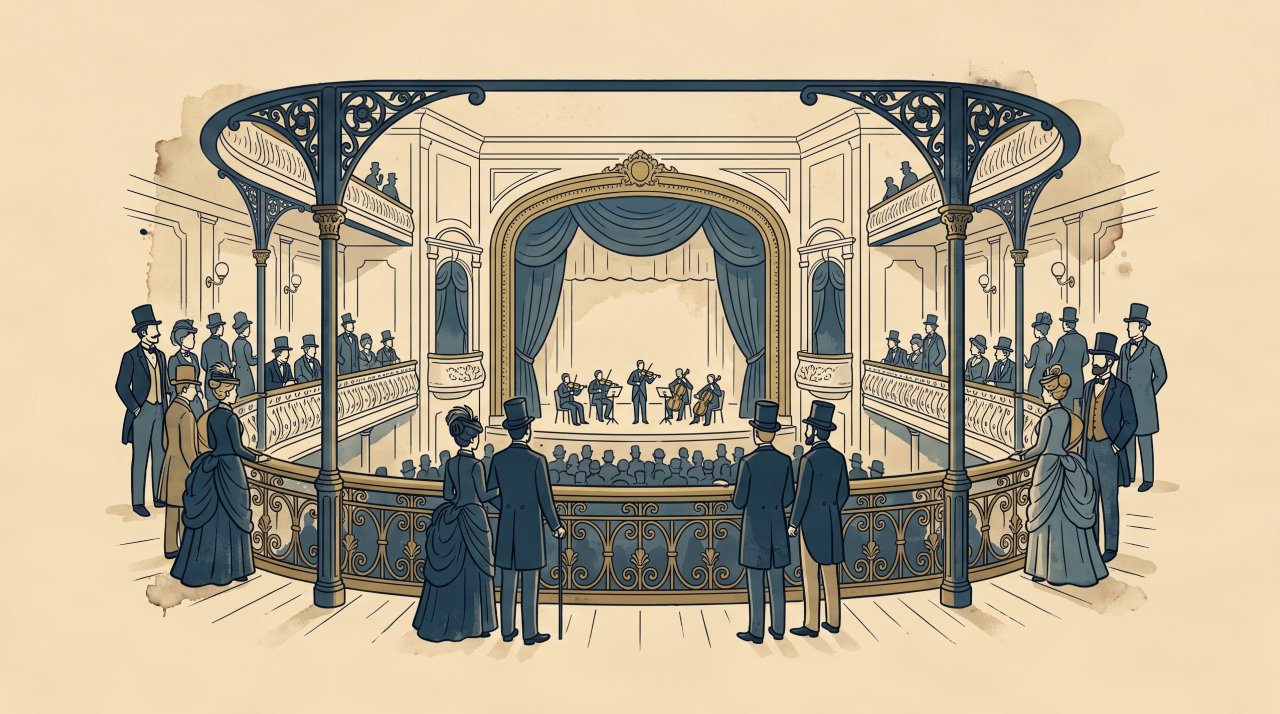
Instead, the story goes back to American vaudeville theaters of the late nineteenth century. Cheap balcony seats held rowdy crowds who shaped the theater experience. These patrons often threw cheap snacks at the actors on stage.
We will trace the timeline of this common saying from its theatrical roots to modern discussions. Examining its history reveals how classism and racial segregation shaped our daily vocabulary. Let’s look at how cheap theatre snacks created a lasting American expression.
The Timeline of the Phrase
To analyze the evolution of the phrase, we can trace its key historical stages. The term shifted from a literal balcony description to a modern cultural metaphor.
| Year | Meaning or Context | Key Milestone |
|---|---|---|
| 1867 | Literal theater balcony | Earliest recorded print citation in New Orleans |
| 1870s | Cheap seats in vaudeville | Association with rowdy patrons throwing peanuts |
| 1947 | Children’s TV studio audience | Howdy Doody Show popularizes a gentler meaning |
| 2020s | Side-line heckling or criticism | Modern idiomatic usage in business and media |
Step 1: Vaudeville Balconies in the 19th Century
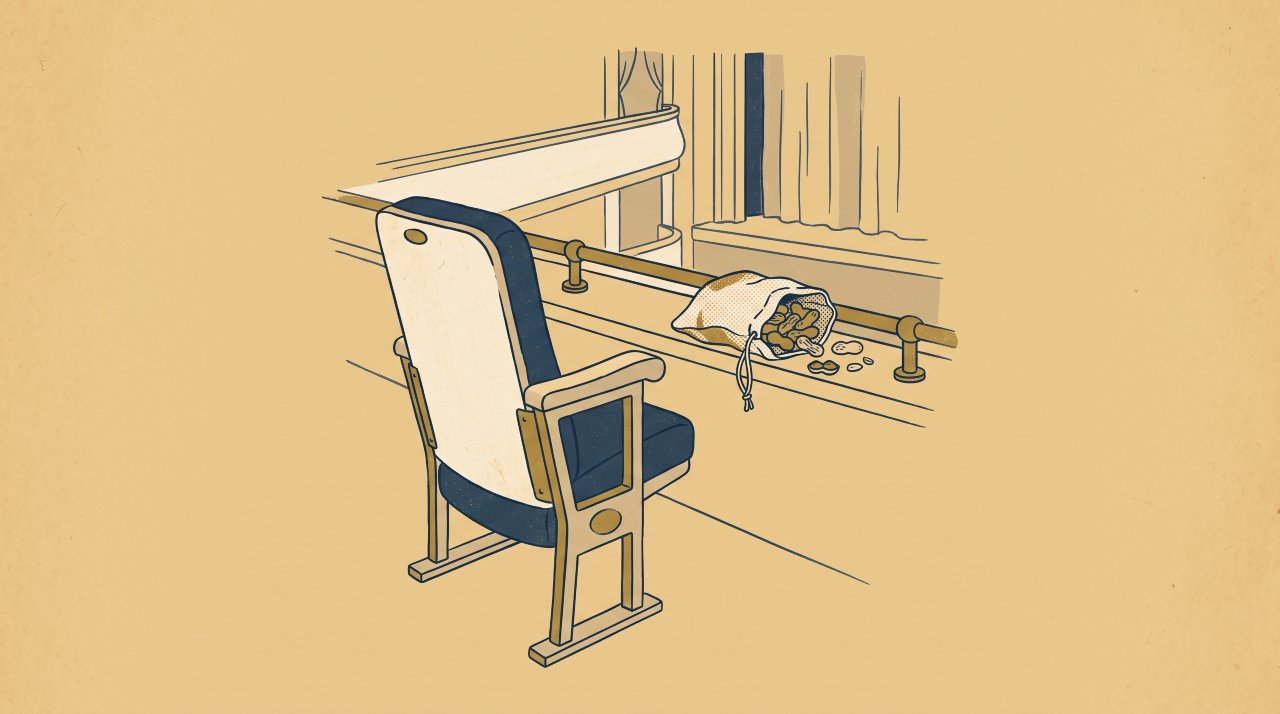
The term first appeared in print in 1867 in New Orleans. During the nineteenth century, American theaters featured cheap gallery seats located high above the stage.
These topmost balconies were the most affordable spots in the house. Patrons in these sections were often working-class people who bought peanuts as an inexpensive snack. If the performance was poor, these rowdy audience members would throw peanut shells at the actors.
The Merriam-Webster definition lists this early theater history as the foundational meaning. Linguists study these early records to trace how theater layouts influenced popular culture.
Step 2: The Jim Crow Segregation Era
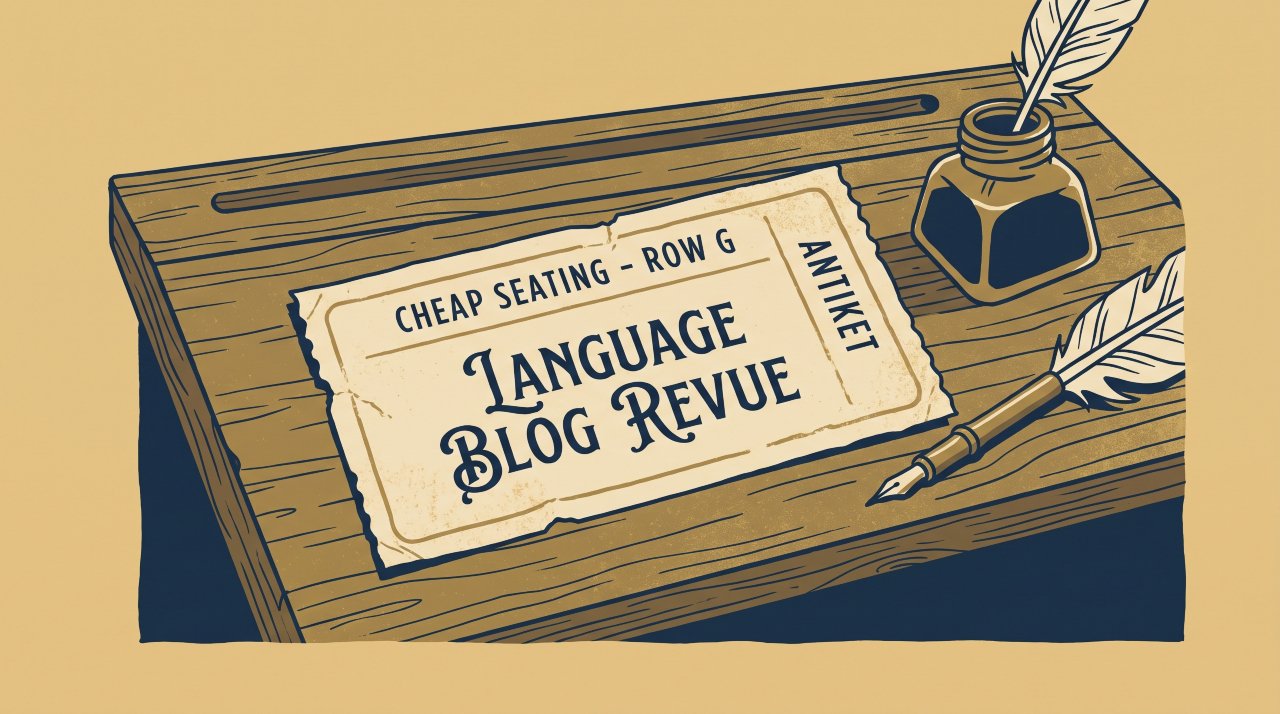
During the late nineteenth and early twentieth centuries, the theater gallery took on a racial meaning. Under Jim Crow laws, theaters forced Black patrons to sit in these topmost rows.
The peanut gallery became a common euphemism for these segregated sections in the American South. Explicitly offensive terms were frequently used to describe the cheap upper seating areas. Using the phrase during this era carried clear classist and racial connotations.
Step 3: The Howdy Doody Shift in 1947
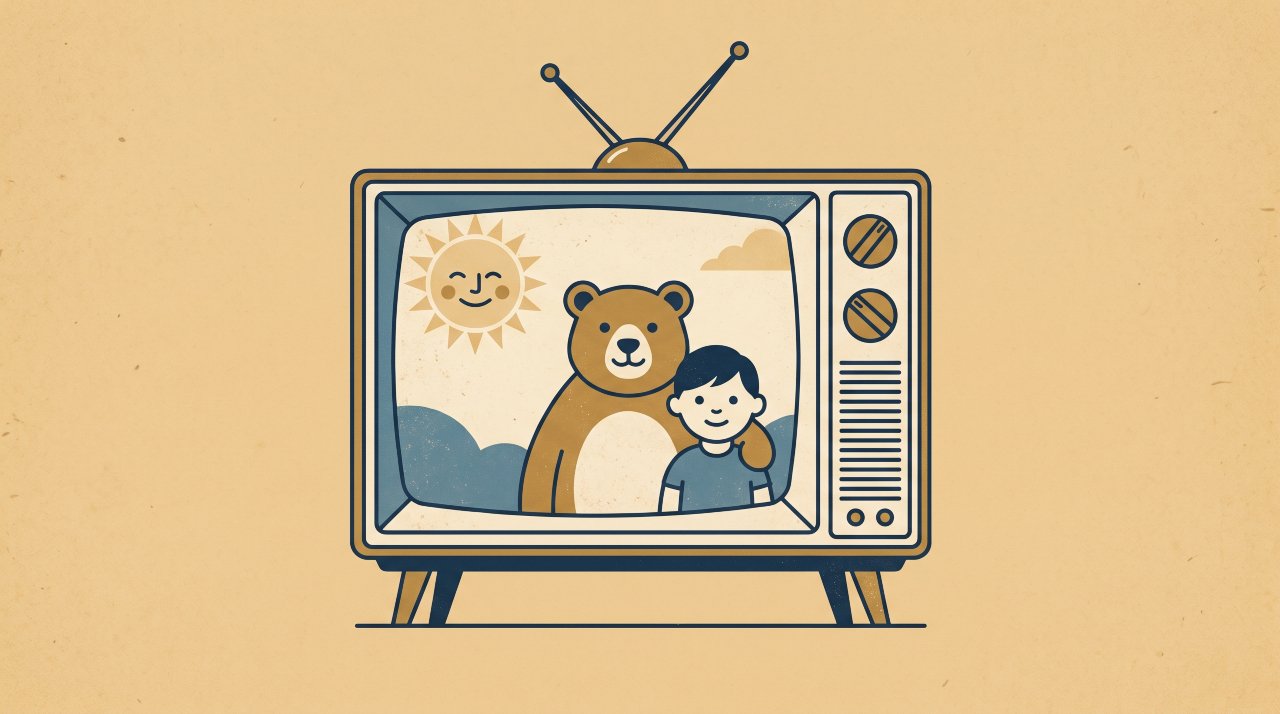
A major shift occurred when the children’s television program Howdy Doody premiered in 1947. Host Buffalo Bob Smith used the term to describe the show’s live studio audience of children. This new context stripped the phrase of its literal theater segregation connection.
For millions of baby boomers, the phrase simply meant a group of noisy children. The television show popularized a gentler meaning that spread across classrooms and households. You can read about another phrase with a surprising past to expand your word history knowledge.
Origin of the Phrase Peanut Gallery in Modern Times
Today, the term refers to sideline commentators who offer unsolicited criticism. It is common in corporate meetings, political commentary, and social media threads. Most modern speakers use the idiom without knowing its historical theater context.
A common misunderstanding is that the phrase originates from peanut farming or general agriculture. Some believe it refers to circus audiences who threw snacks during animal performances. While these stories sound harmless, they ignore the true history of theater segregation.
Many people now avoid using the term due to its racial past. If you want to expand your vocabulary, check out our guide on idiom origins.
Here are a few modern alternatives to the phrase:
- Sideline critics: People who judge others without participating.
- Hecklers: Audience members who interrupt with negative comments.
- Backseat drivers: Individuals who offer unwanted advice on tasks.
Frequently Asked Questions
What is the meaning of peanut gallery?
The phrase means a group of critics who offer unsolicited, minor, or uninformed opinions. Today, it describes sideline commentators who heckle performers or speakers.
Is peanut gallery offensive?
Yes, many people consider the term offensive due to its history of racial segregation. In the Jim Crow era, Black patrons were restricted to cheap balcony seats. The term became a euphemism for these segregated sections.
Where does the phrase peanut gallery come from?
The phrase comes from late nineteenth-century American vaudeville theaters. It originally referred to the cheapest upper balcony seats where patrons ate inexpensive peanuts. These audience members frequently heckled actors by throwing shells.
Who popularized the term peanut gallery?
The term was first used in newspapers in 1867. Later, the children’s television show Howdy Doody popularized the phrase in 1947. The show used it to describe the studio audience of children.
Conclusion
The history of this expression illustrates how everyday words carry hidden social narratives. From segregated theater balconies to mid-century television sets, the term has shifted meanings. Today, we must decide if the idiom is suitable for modern speech.
Analyzing these linguistic roots helps us communicate with more awareness and empathy. The expressions we repeat shape how we perceive historical struggles in our culture. Sharing these insights keeps the study of etymology relevant for future generations.
If you enjoyed learning about this history, please share this article with your friends. You can also bookmark Letters and Letters for more etymological guides.
We post new articles weekly to satisfy your curiosity about language. What other idioms would you like us to explain?


Alan Sledge is the writer and founder behind Letters & Letters. A lifelong lover of words, Alan has always been drawn to the small mysteries hidden in everyday language, why we say what we say, where our favorite sayings came from and the quotes that manage to put feelings into words better than we ever could ourselves.